

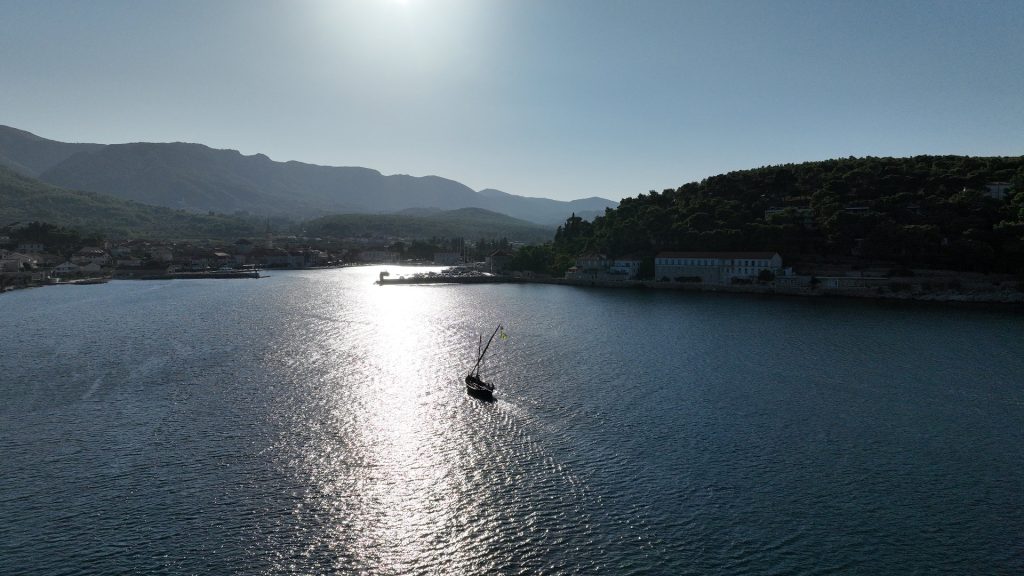
Held 26–28 September 2024, Jelsa and Stari Grad, island of Hvar
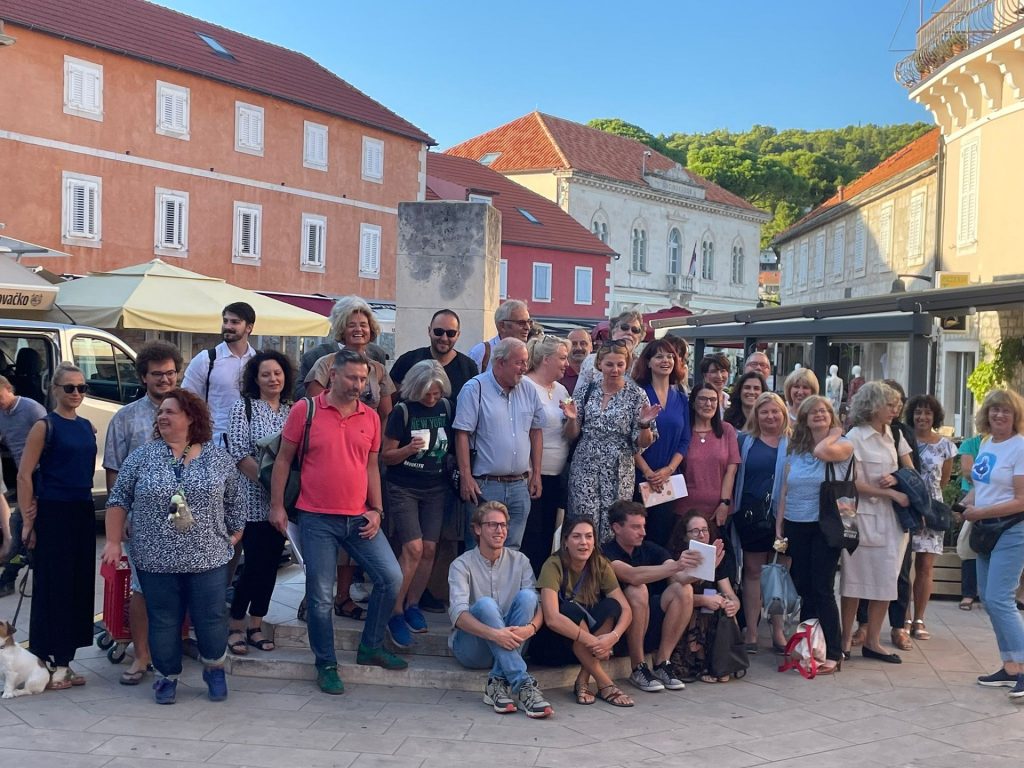
How people live on islands – geographically distinctive places with all their infrastructural, social and cultural challenges – was the theme of the 12th Anatomy of Islands symposium. From 26 to 28 September 2024, the symposium “Living on Islands – Demographic Challenges and Local Perspectives” brought 43 authors together in Jelsa and Stari Grad on Hvar, who delivered 31 presentations.

Migration significantly and permanently changes the demographic picture of the Croatian islands and in every respect affects the quality of life lived surrounded by the sea. The history of the relationship between the islands, the sea and the mainland is a history of migration, reflecting relationships of dependence or self-sufficiency, of centre and periphery and, above all, the inhabitants’ sense of isolation. Migration is inseparably linked to islanders and the island way of life. Over the last hundred or so years, the prevailing demographic trend has been depopulation caused by emigration. However, contrary to the common perception of the Croatian islands as areas of emigration that people leave for the mainland in search of a better life, in almost every period of their history they have been places of immigration. They often gave refuge to various groups fleeing conflicts on the mainland. They also took on this role during contemporary threats and crises (the Croatian War of Independence, COVID-19, earthquakes). The dominant direction of migration changed only at the end of the 19th century, when the islands became predominantly areas of emigration, which determined their further demographic and, consequently, socio-economic development. Recent trends also point to certain changes with regard to migration, while administrative in-migration has completely distorted the real migration picture on some islands.
 Programme of the 12th Anatomy of Islands (in Croatian)